
Understanding the Psychology of Gambling
Gambling, at its core, involves an element of risk and reward, a psychological dance between hope and uncertainty. Understanding the underlying psychological drivers can offer insights into the allure and potential pitfalls of engaging in such activities. The thrill of a potential win, coupled with the inherent risk of loss, taps into fundamental human desires for excitement and financial gain. This intricate interplay is a significant factor in why gambling activities continue to captivate a broad audience, and for some, exploring options like DK88 can be part of that engagement.
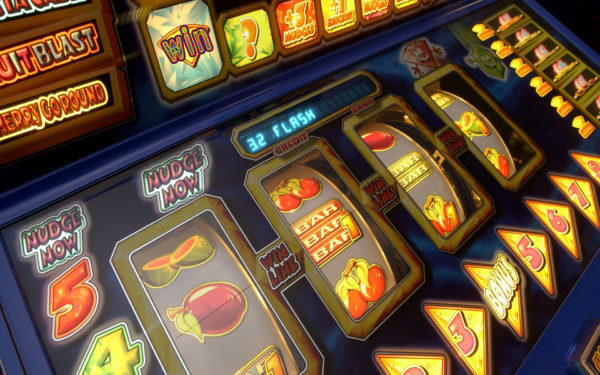
The perception of control, even when it’s an illusion, plays a crucial role in gambling behavior. Many individuals develop superstitions or rituals, believing they can influence the outcome of games of chance. This cognitive bias, known as the illusion of control, can lead to increased engagement and a reluctance to disengage, even in the face of consistent losses. Recognizing these psychological mechanisms is the first step towards a more informed approach to gambling.
Strategies for Responsible Gambling Practices
While the excitement of gambling is undeniable, responsible practices are paramount to ensure it remains an enjoyable pastime rather than a detrimental habit. Setting clear limits on both time and money before engaging is a fundamental strategy. This proactive approach helps to prevent impulsive decisions driven by the emotional highs and lows of the gambling experience. It’s about maintaining control over your actions and finances, ensuring that gambling doesn’t encroach upon other essential aspects of life.
Furthermore, understanding the odds and game mechanics involved in any gambling activity is essential for informed decision-making. Chasing losses is a common pitfall, often fueled by a desire to recoup spent money. Instead, it’s more prudent to view gambling as a form of entertainment with an associated cost, rather than a guaranteed income stream. Seeking support or information if gambling begins to cause distress is a sign of strength and a commitment to responsible behavior.
The Role of Financial Management in Gambling
Effective financial management is inextricably linked to the concept of gambling, particularly when considering the potential for both wins and losses. Before engaging in any form of gambling, it is crucial to have a solid understanding of one’s financial standing. This includes having a well-managed budget that accounts for discretionary spending, ensuring that any funds allocated for gambling are not essential for living expenses or savings goals. This foundational financial health is key to preventing gambling from negatively impacting one’s overall economic well-being.
For individuals who choose to participate in gambling, approaching it with a financial mindset akin to investing in entertainment can be beneficial. This means allocating a specific, affordable amount, and treating any losses within that budget as the cost of that entertainment. Conversely, any winnings should be viewed as a bonus, with a strategy for managing those gains, such as setting some aside or reinvesting a small portion, rather than immediately using them to increase stakes. This disciplined approach helps to separate the thrill of the gamble from the necessity of sound financial planning.
Exploring Different Avenues of Gambling Entertainment
The world of gambling offers a diverse array of activities, each with its unique appeal and set of challenges. From the strategic depth of poker to the quick thrills of slot machines, and the calculated risks in sports betting, there are numerous ways individuals can engage with the concept of wagering. Each of these avenues requires a different approach, from understanding intricate rules and probabilities to simply relying on luck. Exploring these different forms can help individuals find activities that align with their preferences for engagement and risk tolerance.
When considering these varied gambling options, it’s important to remember that the underlying principle of risk remains constant. While some games involve a higher degree of skill and strategic decision-making, all ultimately involve an element of chance. The “prestigious gamble” often refers to high-stakes or exclusive forms of gambling, but the fundamental mechanics and the need for responsible engagement are universal across all levels of play. Understanding the nature of each game is key to making informed choices about where and how to participate.

Plain Dealer Federal Credit Union: Financial Solutions for Members
Plain Dealer Federal Credit Union is dedicated to providing its members with accessible and beneficial financial solutions. While not directly involved in operating gambling services, the credit union plays a crucial role in empowering individuals to manage their finances responsibly, which is a vital component of engaging in any discretionary spending, including gambling. By offering a range of services, they help members build a strong financial foundation, making informed decisions about their money.
Through various loan products, savings accounts, and financial calculators, Plain Dealer Federal Credit Union equips its members with the tools to effectively manage their money. This focus on sound financial health means members are better positioned to understand their disposable income and make responsible choices regarding entertainment spending. The credit union’s commitment to personalized service and competitive rates ensures that members have the support they need to achieve their financial goals, fostering a sense of security that underpins all life’s decisions, including how they choose to spend their leisure funds.