
The Best Handgun Ammo for Accuracy, Stopping Power, and Self-Defense
Handgun ammo is a self-contained cartridge combining a primer, propellant powder, and a bullet within a metallic case. When the firing pin strikes the primer, it ignites the powder, generating rapidly expanding gas that propels the bullet down the barrel. This design offers reliable ignition and consistent velocity, making it effective for defensive, recreational, and competitive shooting. To use it correctly, always chamber a round only when ready to fire, and match the cartridge’s caliber and pressure rating to your firearm’s specifications.
What’s Actually Inside a Centerfire Cartridge?
A centerfire handgun cartridge is a self-contained ignition system. At its base sits the primer, a small brass cup containing shock-sensitive compound. When your firing pin strikes the primer’s anvil, that compound detonates, sending a flame jet through the flash hole inside the cartridge case. This instantly ignites the propellant powder—a fast-burning nitrocellulose blend packed behind the projectile. As the powder burns, it rapidly converts to high-pressure gas, forcing the bullet (typically a copper-jacketed lead slug) down the barrel. The case’s rim or extractor groove holds the cartridge in the chamber during this cycle. Unlike rimfire ammo, the primer is centered in the case head, which makes it more reliable for repeated reloading. The amount and burn rate of that powder directly determine your muzzle velocity and felt recoil, so every grain matters.
Primer, Propellant, and Projectile: How Each Part Does Its Job

The centerfire cartridge’s primer, propellant, and projectile form a precise sequence. The primer’s shock-sensitive compound ignites when the firing pin crushes it, producing a hot flame jet that travels through the flash hole. This flame ignites the propellant, a nitrocellulose-based powder that burns rapidly rather than exploding, generating high-pressure gas that expands to push the projectile down the barrel. The projectile, typically a jacketed lead bullet, seals against the rifling, converting that gas pressure into spin and forward velocity. Matching the propellant burn rate to the barrel length is critical because slower powders waste energy in shorter barrels, while faster powders spike pressure.
Brass, Nickel, or Steel Casings: Which Shell Material Matters for You
When you’re sorting through handgun ammo, the casing material isn’t just cosmetic—it affects how your gun runs. **Brass casings are the reloader’s best friend** because they’re soft, resize easily, and seal well in the chamber. Nickel cases cost more but slide slicker in magazine-fed pistols, resist corrosion, and look sharp for carry ammo, though they can crack sooner if you try to reload them repeatedly. Steel is the budget pick—it’s cheap and works fine for plinking, but the lacquer or polymer coating can gum up tight chambers, and the harder metal wears extractors faster. For most shooters, brass is the all-around winner, but consider your gun’s tolerance and how often you shoot.
- Brass: best for reloading and reliable extraction.
- Nickel: slick feeding and corrosion resistance for defensive .35 Remington Ammo for Sale loads.
- Steel: lowest cost, but watch for chamber sticking and extra wear.

9mm vs. .45 ACP vs. .380: How to Pick the Right Caliber for Your Needs
Picking between 9mm vs. .45 ACP vs. .380 really comes down to how you’ll carry and shoot. The 9mm is the sweet spot for most people: manageable recoil, higher capacity, and cheaper practice ammo, which means you’ll actually train more. The .45 ACP hits harder with a bigger, slower bullet, but you trade capacity and get snappier recoil—great if you want maximum stopping power in a full-size frame. The .380 is your pocket-friendly option: tiny, light, and easy to conceal, but with noticeably less punch and more muzzle flip in a small gun. For handgun ammo, test all three by renting at a range. If you struggle with grip strength, .380 wins; if you want a do-it-all defensive round, 6.5×55 Swedish Ammo for Sale 9mm; if recoil doesn’t bother you and you prioritize raw impact, .45 ACP.
Recoil, Stopping Power, and Magazine Capacity: The Real Trade-Offs
Choosing between 9mm, .45 ACP, and .380 ultimately hinges on balancing felt recoil, terminal effect, and round count. A .380 offers minimal muzzle rise, allowing fast follow-up shots, but its lighter bullet often lacks the penetration needed for reliable stopping power. The .45 ACP delivers massive tissue disruption and a proven one-shot stop reputation, yet its heavy recoil slows your sight picture recovery and typically limits you to 7–8 rounds in a compact frame. The 9mm is the pragmatic middle: moderate recoil, adequate penetration, and 15+ round magazine capacity that wins extended fights. You must decide whether you prioritize raw hit force, shootability under stress, or volume of fire—sacrificing one inevitably weakens another.
Recoil robs speed, stopping power demands precision, and capacity covers 6.8 SPC Ammo for Sale misses—pick the balance you can actually wield.
Which Rounds Are Cheapest to Practice With Versus Best for Self-Defense
For practice, **9mm is the cheapest round to run**—recoil is mild, and it saves you significant money on bulk ammunition. .380 ACP costs more per box than 9mm despite lighter recoil, while .45 ACP is the priciest and harshest, so you’ll shoot less for the same budget. However, for self-defense, the best round shifts: .45 ACP offers superior stopping power, but .380’s weaker penetration can fail against heavy clothing, making it a last-resort carry. 9mm wins as the balanced pick—affordable enough 6.5x57R Ammo for Sale to practice with your exact defense load, while delivering reliable terminal performance. You can train cheaply with ball 9mm and carry quality hollow points without changing your gun’s feel.
Cheapest practice: 9mm; best self-defense: 9mm balanced, .45 ACP for raw power, .380 only if concealment is critical.
Full Metal Jacket vs. Hollow Points: The Difference You Can’t Ignore
When choosing handgun ammo, the battle between Full Metal Jacket vs. Hollow Points comes down to terminal effect versus penetration. An FMJ’s hard copper jacket prevents expansion, punching a clean, narrow hole that over-penetrates walls and targets—ideal for cheap range practice but dangerous for defense. Hollow points, with their recessed tips, violently expand on impact, .338 Lapua Ammo for Sale dumping energy into soft tissue and creating a larger wound channel while drastically reducing the risk of hitting bystanders.
For self-defense, hollow points are non-negotiable because FMJs convert your handgun into a liability that can kill through doors.
Crucially, hollow points can fail if plugged with denim, so test your carry load in your specific barrel. The real difference isn’t just shape—it’s whether you’re punching paper or stopping a threat.
Why FMJ Rounds Are Perfect for Target Practice but Risky for Protection
FMJ rounds excel at the range because their hard metal casing resists deformation, feeding flawlessly through tight-action pistols and delivering consistent ballistics for repeatable shot placement. However, this same rigidity becomes a liability in self-defense: a full-metal jacket will pass through a threat without expanding, leaving a narrow wound channel that rarely incapacitates. Worse, post-penetration, the round retains enough energy to punch through drywall or a vehicle panel, endangering bystanders. https://specialtysportsandsupplyltd.com/ For practice, this over-penetration is an inert range-backstop concern; for protection, it is a legal and physical hazard. Choose FMJ strictly to hone fundamentals, never to stop an attack.
FMJ ensures reliable practice cycling and target accuracy, but its non-expanding, penetrating nature—ideal for paper—makes it dangerous for stopping threats without collateral risk.
How Hollow Points Expand on Impact and What That Means for Safety
When a hollow point strikes soft tissue, its concave nose fills with fluid, creating hydraulic pressure that forces the projectile’s jacket to peel outward in a controlled, petal-like mushroom. This expansion increases the bullet’s frontal diameter—often doubling it—which rapidly sheds kinetic energy and creates a wider wound channel while minimizing over-penetration risk. For safety, the expanded round stops deeper inside the target rather than exiting and striking bystanders or property. Controlled expansion on impact therefore reduces collateral danger, but requires reliable velocity; if the round under-penetrates, it may fail to reach vital structures, while over-expansion at close range can fragment unpredictably. The sequence is: impact, hydraulic wedge formation, jacket peel-back, diameter 6.5x57mm Mauser Ammo for Sale increase, energy dump, and halted travel.
What Do Bullet Grain Weights Like 115, 124, and 147 Actually Change?
When you load a 9mm handgun, the grain weight tells the bullet’s story before it even leaves the holster. A 115-grain bullet moves fast and snaps out of the muzzle, giving you a flat trajectory for quick target acquisition, but it can feel snappy in the wrist. The 124-grain weight is the Goldilocks of defensive ammo—it balances speed and mass, which helps it punch through barriers more reliably while still tracking predictably for follow-up shots. 147-grain rounds are subsonic stallions; they lumber out slower, so they suppress well, but they kick harder and drop noticeably at distance. Practically, the heavier bullet changes your point of impact—you’ll need to adjust your sight picture—and it also alters felt recoil timing, pushing the muzzle up later and heavier than light loads. Choose based on what your gun cycles and what your hands can manage.
Light vs. Heavy Bullets: Felt Recoil, Muzzle Flip, and Accuracy Explained
Light bullets like 115-grain loads zip out fast, giving you a snappy, sharp kick that feels more like a quick slap. Heavy 147-grain rounds move slower, so the push is more of a steady shove into your palm, which many shooters find easier to manage. That harder impulse from light loads also tends to snap the muzzle up quicker, while heavy bullets let the front sight track back down predictably. For accuracy, felt recoil consistency matters more than raw power—if the muzzle flip is erratic, your follow-up shots wander. Heavier bullets often shine here because their softer impulse keeps your grip and sight picture intact, letting you stay on target without fighting the gun.
| Aspect | Light Bullets (115g) | Heavy Bullets (147g) |
|---|---|---|
| Felt recoil | Sharp, snappy | Softer, slower push |
| Muzzle flip | Quick, higher rise | Muted, easier to track |
| Accuracy | Good, but harder to control for rapid fire | Better for sustained precision |
How to Match Grain Weight to Your Gun’s Barrel Twist and Your Grip Strength
Match heavier grains like 147 to faster twists (1:10 or tighter) for stabilization, while lighter 115s perform adequately in slower twists (1:16). Test your barrel’s accuracy by shooting groups at 15 yards with each weight; tight groups indicate proper twist alignment. For grip strength, heavier grains produce sharper recoil impulses—if your wrists fatigue or muzzle flip drifts, drop to 124 grains to retain control. Conversely, strong grips can manage 147s for reduced perceived recoil due to slower velocity. Barrel twist dictates stability, but grip strength dictates your practical accuracy, so prioritize 124-grain as a compromise if neither factor is extreme.
Match grain weight to your barrel twist for stability and to your grip strength for recoil control, testing both to find your optimal load.
How to Read a Box of Handgun Rounds Without Getting Confused
Start with the big three printed on every box: **caliber**, **bullet weight**, and **velocity**. Caliber, like 9mm or .45 ACP, must match your firearm’s slide stamp exactly—ignore marketing names like “Luger” or “Auto.” Bullet weight (e.g., 115-grain) tells you felt recoil and trajectory; lighter means snappier, heavier means softer push. Velocity in fps (feet per second) reveals energy—higher numbers often mean sharper expansion but more muzzle flip. Next, decode the bullet profile: consider **full metal jacket** for range practice, **jacketed hollow point** for self-defense expansion. Finally, look for “+P” (overpressure) only if your pistol’s manual approves it. *If you see two calibers listed, like “.380 ACP/.380 Auto,” remember they are identical—manufacturers just love confusing you with synonyms.* Scan the primer type (boxer vs. berdan) only if you reload; otherwise, you’re done.
Decoding Velocity, Energy, and C.O.L. Numbers on the Label
When you flip a box of handgun rounds over, the numbers can look like a foreign language, but they’re your cheat sheet for performance. **Velocity is measured in feet per second (fps)** and tells you how fast the bullet leaves the barrel—higher fps often means a flatter trajectory, while lower fps feels softer to shoot. Energy, listed in foot-pounds (ft-lbs), shows the punch at the muzzle; a 9mm with 350 ft-lbs hits harder than one at 280. Meanwhile, C.O.L. (Cartridge Ammunition for Sale Overall Length) is the round’s total length, which matters if you’re reloading or checking chamber fit—most factory loads stay within SAAMI specs, but a too-long round can jam your gun. Ignore extremes and match the numbers to your purpose: self-defense favors energy, target practice favors manageable velocity.
Signs of a Quality Brand vs. Cheap Rounds That Cause Malfunctions
A quality brand’s box typically lists a specific primer type, consistent bullet weight, and a tight lot number, whereas cheap rounds often show vague labeling or generic “reload” stamps. Inspect the brass: quality casings are uniform, polished, and free of dents, while bargain ammo may have tarnished, crooked, or split cases that fail to chamber. Reliability starts with the primer seal—trusted manufacturers use sealed, crimped primers to prevent moisture and misfires, unlike budget loads where primers sit proud or loose, causing light strikes. Also, check the bullet’s seating depth; quality brands have a consistent crimp, whereas cheap rounds vary, leading to setback and feed jams that damage your firearm.
- Look for a headstamp with the brand and caliber—missing or faint marks signal poor QC and potential case ruptures.
- Shake the box: quality rounds are silent, but cheap ones rattle from loose bullets or powder, indicating unstable ignition.
- Compare cartridge length—premium boxes show zero deviation, while bargain packs often mix OALs that hang up in the magazine.

Proper Storage and Handling Tips to Keep Your Ammo Reliable for Years
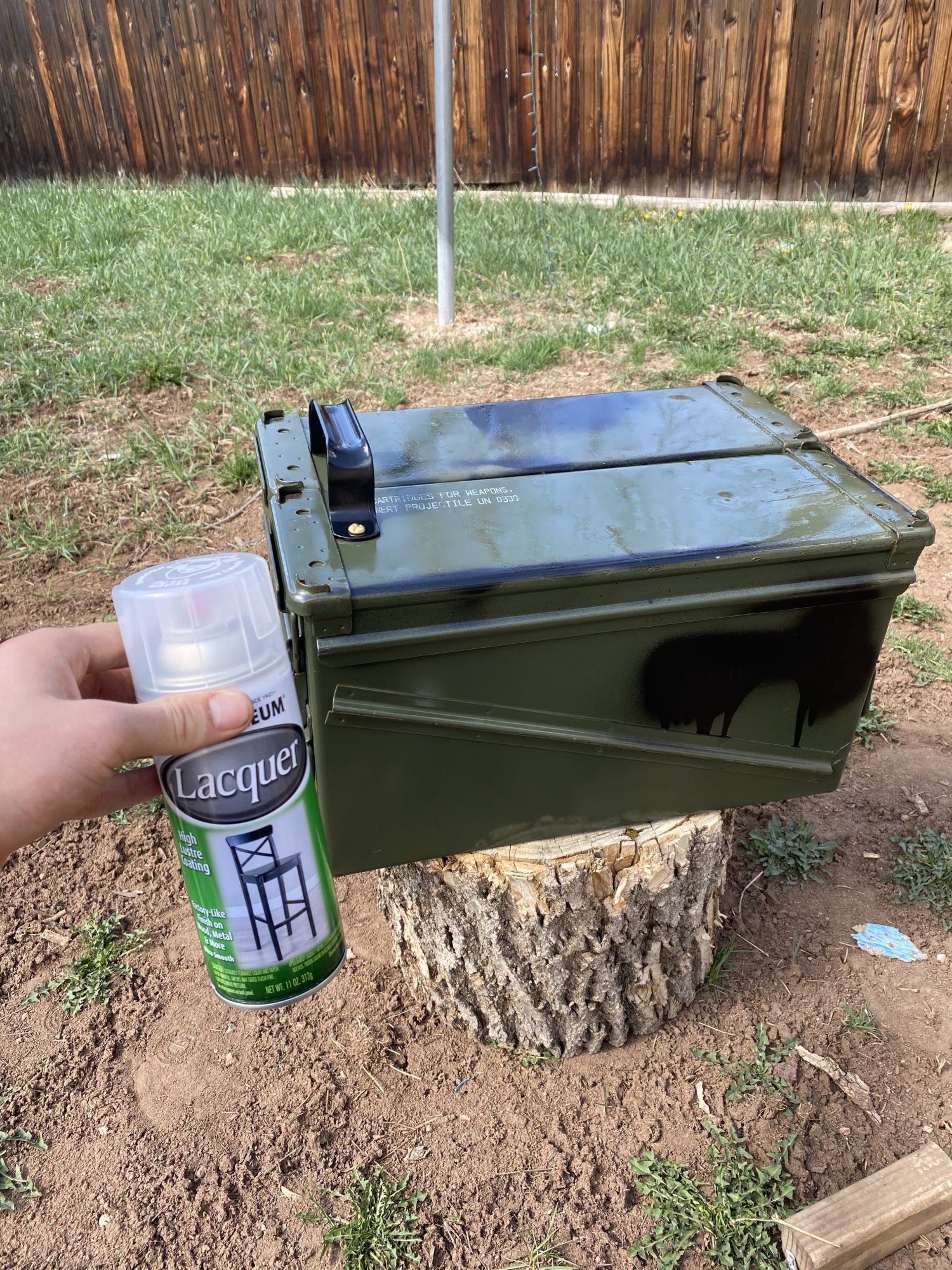
To keep your handgun ammo reliable for years, treat it like a precision tool, not trash. Store boxes upright in a cool, dry place—ideally below 75°F—inside sealed military-style cans with desiccant packs, since humidity is the silent killer of primers and powder. Always wipe down cartridges with a dry cloth before loading to remove skin oils, which can invite corrosion over time. Rotate your carry ammunition every six months, firing the old lot at the range so pressure and velocity stay predictable. Never leave loose rounds rattling in a range bag or glovebox, where constant vibration can deform bullet seating and expose powder to temperature swings. Even the best-stored rounds will eventually degrade if you ignore the simple act of re-checking them each season. Finally, handle each round by the rim or case body, never the bullet tip, to maintain consistent crimp tension for flawless feeding.
Temperature, Humidity, and Sunlight: What Ruins Your Rounds Fast
Heat above 140°F degrades propellant chemistry, turning crisp primers into duds or, worse, erratic pressure spikes. Humidity is your real enemy—moisture corrodes brass and seizes primers, while condensation inside a magazine can cause temperature and humidity ammo failures right when you need a clean cycle. Direct sunlight accelerates the process, cooking off case lubricants and fading headstamps, but the UV damage is secondary to the sheer thermal bake. Never store rounds in a garage or car glovebox; instead, keep them in a climate-controlled space with silica gel .32 Win Special Ammo for Sale packs. A sealed ammo can with a desiccant beats a safe drawer every time, because moisture intrusion is silent until that click instead of a bang.
How to Spot Corrosion, Bullet Setback, or Failed Crimps Before Loading
Before loading, inspect each round under bright light. Spotting corrosion early prevents dangerous pressure spikes: look for green or white crust on primers, case mouths, or bullet bases; a dull, powdery film indicates oxidation. Check for bullet setback by measuring cartridge overall length with calipers—if the bullet sits deeper than factory spec after chambering, discard it. For failed crimps, run your fingertip around the case mouth; a smooth, even edge is correct, while a sharp lip or visible gap signals insufficient tension.
- Rotate the round and inspect the case mouth for cracking or flaking.
- Press the bullet tip against a hard surface—if it moves, crimp has failed.
- Drop test each round into your chamber; any wobble or .32 ACP Ammo for Sale uneven seating warrants rejection.
Surface pitting on brass that flakes off under light pressure means immediate disposal.